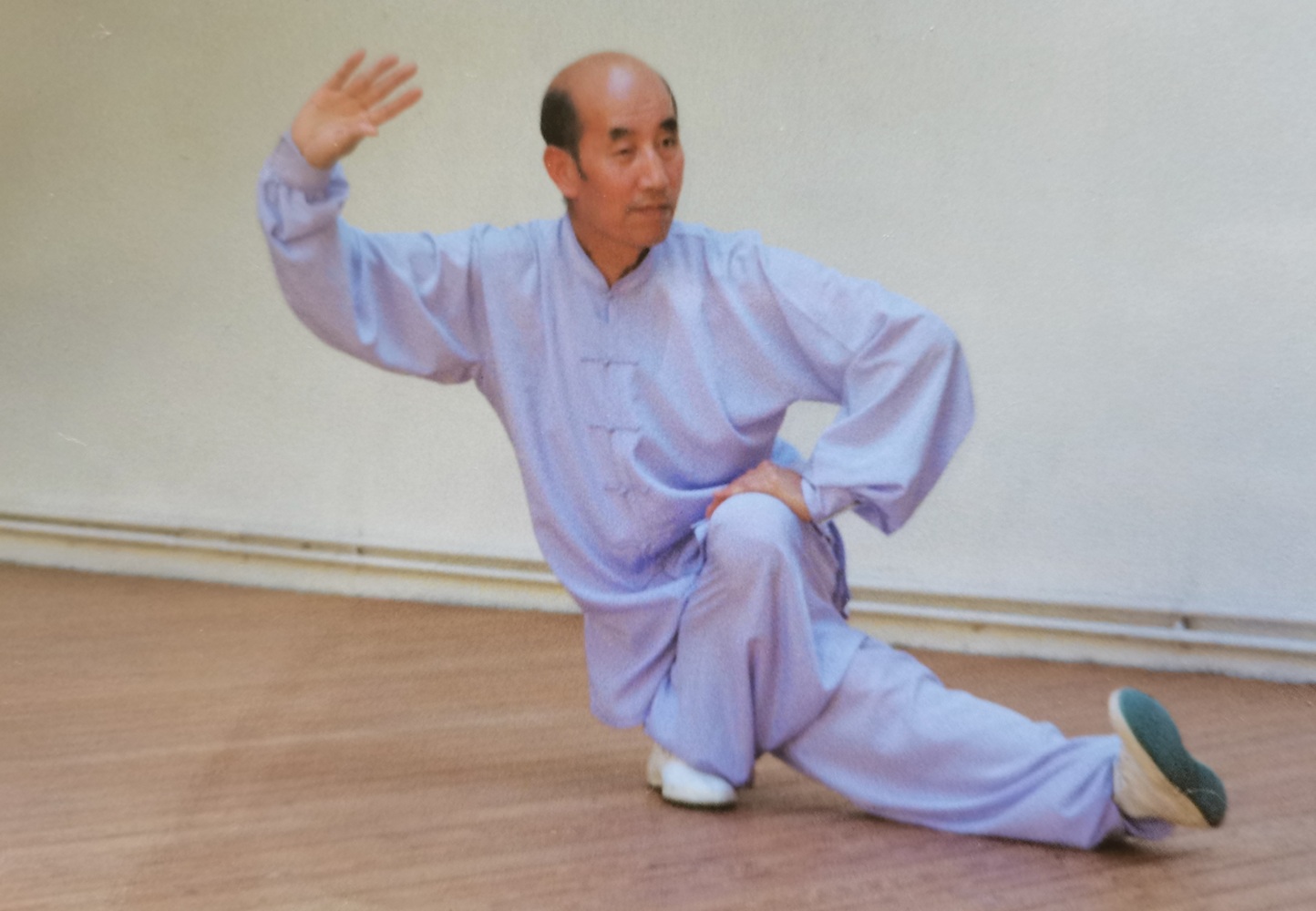
Daoyin Yang Sheng Gong (Health-Preserving Daoyin Exercises) is a comprehensive system of medical health cultivation exercises developed by Master Zhang Guangde (1931-2022), a professor and martial arts expert at Beijing Sport University. This system represents a modern synthesis of ancient Chinese “Daoyin” (leading and stretching) techniques with traditional Chinese medical theory and modern physiological principles.
The Visionary Behind the System
Zhang was born in March 1932 in Tangshan, Hebei Province, into a family of doctors. This medical background profoundly influenced his view of physical fitness, leading him to see martial arts not just as combat, but as a holistic tool for longevity and resilience. In his youth, he practiced martial arts and inherited a family text titled Exercises for Chronic Diseases from his maternal grandfather. In 1955, Zhang was admitted to the Wushu Department of the Beijing Institute of Physical Education (now Beijing Sport University). He studied under the renowned Professor Zhang Wenguang (Cha Quan System) and became one of China’s first Wushu graduate students in 1960. During his studies, he mastered traditional styles, including Tai Chi Chuan, which would later form the technical foundation for his health-preserving innovations. After graduating, he remained at the university as a teacher, researcher, and eventually a Senior Professor
The Health Crisis and Innovation
The most pivotal moment in Zhang’s life occurred in 1974 when he was diagnosed with lung cancer, along with high blood pressure, heart disease, hepatitis, and a severe allergic blood disorder. Because his allergies prevented the use of medication, he turned to ancient Chinese medical theories, specifically meridian systems and Yin-Yang balance, to develop a new form of exercise. By synthesizing these traditional theories with modern physiology, he created Daoyin Yangsheng Gong. Originally developed these routines as a means of self-recovery. He drew upon his deep knowledge of martial arts and researched ancient health preservation methods to create a systematic approach to healing. By 1982, his health had fully recovered, allowing him to return to his teaching post and share his methods with the world.
Professional Career and Global Influence
Master Zhang authored over 60 books and monographs, many translated into six languages. His career was marked by significant leadership roles, including serving as the Honorary General Director of the Daoyin Yangsheng Gong Centre at Beijing Sport University and a permanent member of the Chinese Wushu Research Association.
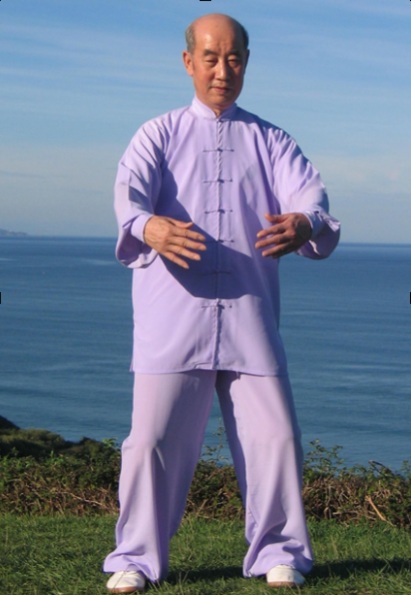
His influence eventually extended to over 70 nations, with an estimated five million practitioners worldwide. He conducted regular teaching visits to countries such as the United States, Britain, and France, where he co-founded the International Institute of Dao Yin Yang Sheng Gong in 2005.
Zhang received numerous prestigious honors throughout his life:
- He was the first individual to achieve dual 9th Duan rankings in both Wushu and Health Qigong.
- He was named one of China’s 100 outstanding Wushu masters in 1996.
- His system was officially endorsed by China’s Ministry of Health and included in the National Fitness Program.
Master Zhang passed away in Beijing on January 30, 2022, at the age of 91. His legacy is preserved through the global network of his 167 disciples and a bronze statue inaugurated in 2024 at Badaling Cemetery in Beijing. M. Xia Minghua is one of M Zhang Guangde’s disciples, who in turn taught Wu Chanlong, the source of Yangsheng Gong for the Taiping Institute. We do not teach the full system independently but rather incorporate certain exercise where required to help students with certain needs.
Core Principles and Philosophy
The fundamental philosophy of Daoyin Yang Sheng Gong is expressed as: “Using the mind to lead Qi, using the form to assist potential, and stretching the meridians to cure illness and strengthen the body”.
Unlike general exercise, this system is a “five-in-one” medical physical education method that integrates:
- Mind (Yi): Directing intention to specific acupuncture points or meridians.
- Qi: Regulating the breath in coordination with movement.
- Form (Xing): Specific postures and movements designed to stimulate physiological functions.
- Meridians (Jingluo): Following the pathways of energy flow to remove blockages.
- Health (Health Preservation): Prioritising prevention and long-term vitality.
The Seven Primary Routines
Zhang Guangde developed seven specific routines, each targeting different organ systems or health concerns:
- Shuxin Pingxue Gong: Designed to regulate the heart and blood pressure. It has shown a 92.5% effective rate in clinical observations for cardiovascular issues.
- Yiqi Yangfei Gong: Focuses on the respiratory system, strengthening the lungs and treating chronic bronchitis or asthma.
- Hewei Jianpi Gong: Targets the digestive system, including the stomach and spleen.
- Shujin Zhuanggu Gong: Designed to strengthen muscles and bones, specifically targeting neck, shoulder, and back pain.
- Xingnao Ning_shen Gong: Aimed at brain health, helping with headaches, insomnia, and mental fatigue.
- Sishijiu Shi Jingluo Donggong: A complex 49-form meridian movement routine for comprehensive health.
- Daoyin Baojian Gong: A general health preservation routine suitable for overall physical maintenance.
The “Eight Essentials” for Practice
To achieve therapeutic results, Master Zhang emphasized eight key requirements:
- Optimistic Spirit: Maintaining a cheerful and open-minded attitude to improve the body’s resistance.
- Mind-Focus (Yi Shou): Concentrating on specific acupuncture points relevant to the illness, such as Dantian for digestion or Laogong for heart health.
- Relaxation and Stillness: Combining physical relaxation with a calm, focused mind.
- Breath-Movement Coordination: Every movement must be synchronized with the breath (e.g., “rise-inhale, fall-exhale”).
- Swallowing Saliva: Encouraging the production of saliva—the “Golden Fluid”—which contains enzymes that aid digestion and have antibacterial properties.
- Lifting the Perineum (Ti Gang): Gently contracting the pelvic floor to improve circulation and prevent organ prolapse.
- Perseverance: Consistent daily practice is required for long-term health.
- Gradual Progress: Practicing according to one’s own physical capacity and increasing intensity slowly.
Strategic Prohibitions: The “Four Taboos”
Practitioners are also advised to avoid four specific behaviors to ensure efficacy:
- Mixed Practice: Avoiding the confusing mixture of too many different styles at once.
- Emotional Extremes: Avoiding practice when experiencing intense anger, grief, or over-excitement.
- Excessive Sexual Activity: Conserving “Essence” (Jing) during the recovery period from illness.
- Improper Diet: Practicing while either starving or overfull, as both stress the internal organs.
Medical and Global Significance
The efficacy of the system is rooted in Meridian Theory. For instance, the heart-regulating routine specifically stimulates the Hand Shaoyin (Heart) and Hand Jueyin (Pericardium) meridians to clear “Qi stagnation”. Since its debut in 1983 at the national academic exchange in Wuhan, Daoyin Yang Sheng Gong has gained international recognition. It has been adopted by hospitals and sanatoriums across China and studied by practitioners from Japan, the United States, Australia, and Europe as a vital “friend of recovery” for those suffering from chronic illnesses.