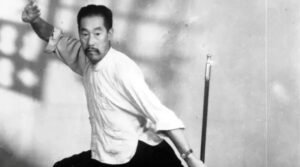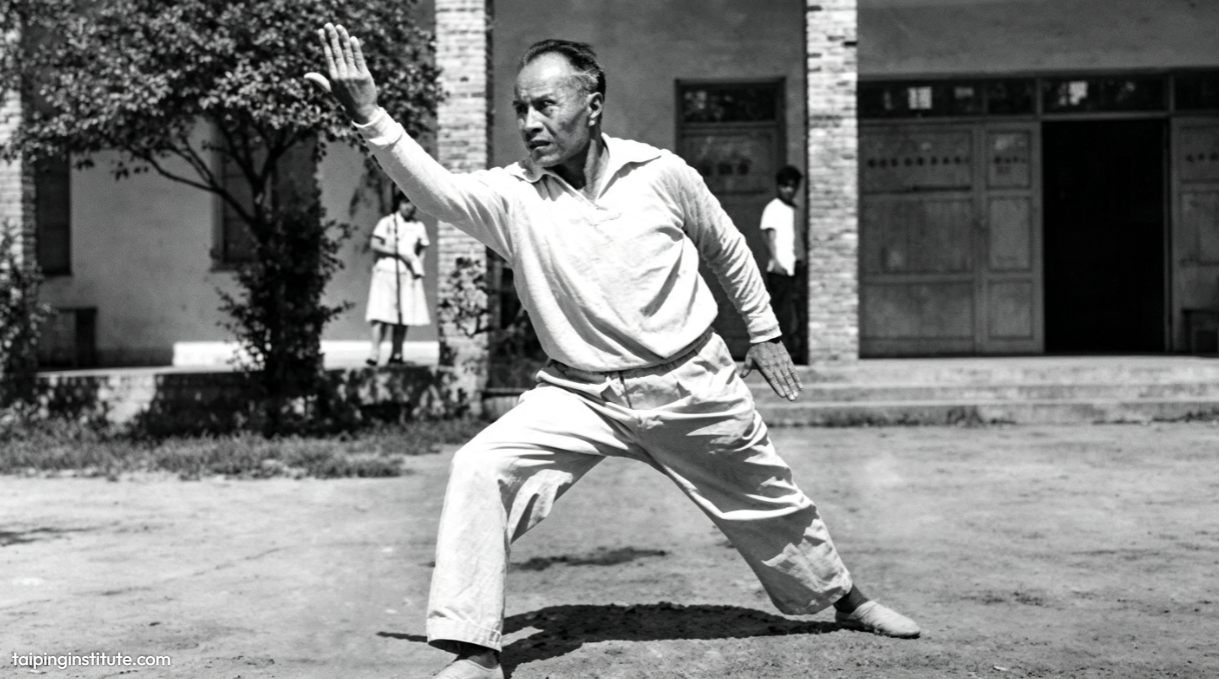
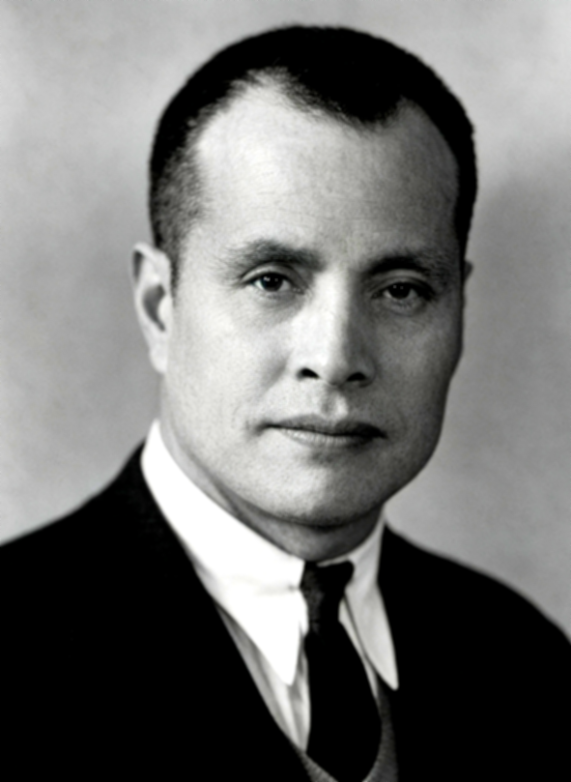
Zheng Huai Xian (郑怀贤, 1897–1981, also known as 郑德顺 ) was born in An Xin County, Hebei Province. He was a renowned martial artist, a traditional Chinese medicine (TCM) expert in bone injuries, and a professor in the Department of Sports Health at Shanghai Jiao Tong University. Zheng was highly respected in both the martial arts community and the fields of TCM bone injury treatment and sports health, earning him the titles of “Martial-Medicine Master” (Wu-Yi Zong Shi, 武医宗师) and “Saint of Bone Injuries” (骨伤圣手). Zheng Huai Xian authored several influential works, including Orthopedics (Zheng Gu Xue 《正骨学》), Diagnosis and Treatment of Traumatic Injuries (Shang Ke Zhen Liao 《伤科诊疗》), Traumatic Injury Massage Therapy (Shang Ke An Mo Shu 《伤科按摩术》), and Sports Traumatology (Yun Dong Chuang Shang Xue 《运动创伤学》). He also contributed to the compilation of Encyclopedia of Traditional Chinese Medicine: Sports Medicine (Zhong Guo Zhong Yi Bai Ke Quan Shu·Yun Dong Yi Xue 《中国中医百科全书·运动医学》) and Encyclopedia of Chinese Medicine: TCM Orthopedics and Traumatology (Zhong Guo Yi Xue Bai Ke Quan Shu·Zhong Yi Gu Shang Ke Xue 《中国医学百科全书·中医骨伤科学》).
Due to his family’s poverty, Zheng Huai Xian only attended private school for two years. However, he was intelligent, highly perceptive, and had a photographic memory, earning the affection of his teacher. Unfortunately, he had to drop out because he couldn’t afford the tuition. At the age of 11, he began learning to wield the flying fork (飞叉) from a local villager. At 13, he formally became a disciple of Li Ao Qing (李洱庆), known as the “Flying Fork King of Xin An” (新安飞叉大王), to study the flying fork, as well as bone-setting and injury treatment, for eight years. By the age of 18, his skill with the flying fork had reached an extraordinary level, making him famous in the Laishui and Yi County areas.
Later, the renowned martial artist Wei Changyi (魏昌义) noticed him and accepted him as a closed-door disciple. Wei Chang Yi had profound martial arts skills, particularly in Chuojiao Fanzi Quan (戳脚翻子), and was well-known across several northern provinces, often traveling to different regions. After three years, Wei Changyi saw that Zheng Huai Xian had mastered the essence of Chuojiao Fanzi Quan, so he introduced him to Wei Jinshan (魏金山), a famous martial artist in Beijing, to study Eagle Claw – Yingzhao Fanzi Quan (鹰爪翻子拳). There, Zheng not only refined his martial arts but also learned bone-setting skills from Wei Jinshan.
Recognizing Zheng Huai Xian’s exceptional talent, Wei Jinshan recommended him to Sun Lutang (孙禄堂), a well known martial arts practitioner at the time. Professor Zheng was a direct disciple of Master Sun Lu Tang for ten years and a close friend of his senior brother Zhu Guo Fu for forty years, until the latter’s passing. Under Sun Lu Tang, Zheng not only mastered the essence of martial arts but also received systematic medical education.
After that in 1928 Sun Lutang told Zheng that he does not need to continue following him for study and he could go out into the world confidently as he had achieve good skills. Sun Lu Tang organized by way of introduction a teaching position at the Shanghai Jiatong University. Zheng still continued to study Baguazhang with Sun Lutang’s eldest son who was in Shanghai, Sun Cunzhou (1893-1963). He lived and taught martial arts in Shanghai simultaneously entering the martial world and was able to study and exchange with a large number of prominent masters, including Tong Zhongyi (佟忠义). Zheng also had non teaching posts such as being the Bodyguard for Du Yuesheng (1888-1951, Shanghai Tycoon, Mob Boss at the time) associated with the Qingbang (Green Gang, 青幫), both supporting Chiang Kai-shek.
His martial arts and medical skills continued to improve, reaching the level of a master. In addition to Chuojao Fanzi and Yingzhao Fanzi, he then achieved extraordinary proficiency in Taiji Quan (太极拳), Xingyi Quan (形意拳), Baguazhang (八卦掌), and Qin-Na (擒拿), and continued his love of the flying fork (飞叉), while also perfecting his medical skills, particularly in treating rare bone injuries, where he inherited the true essence.
A Life Devoted to Martial Medicine
Professor Zheng Huai Xian (郑怀贤) was a towering figure in China, Chairman of the China Wushu Association, a distinguished expert in traditional Chinese medicine (TCM) for bone injuries, and the founder of Chinese sports trauma medicine. His mastery of both martial arts and medicine was unparalleled, and his contributions to the development of martial medicine and sports injury treatment were immense. From national leaders to ordinary citizens, all praised his medical skills and ethics. His reputation spread far and wide, earning him the title of a martial medicine master of his generation. However, not all martial artists understand medicine; only a select few elite practitioners possess such knowledge, often tied to the lineage and guidance of their mentors.
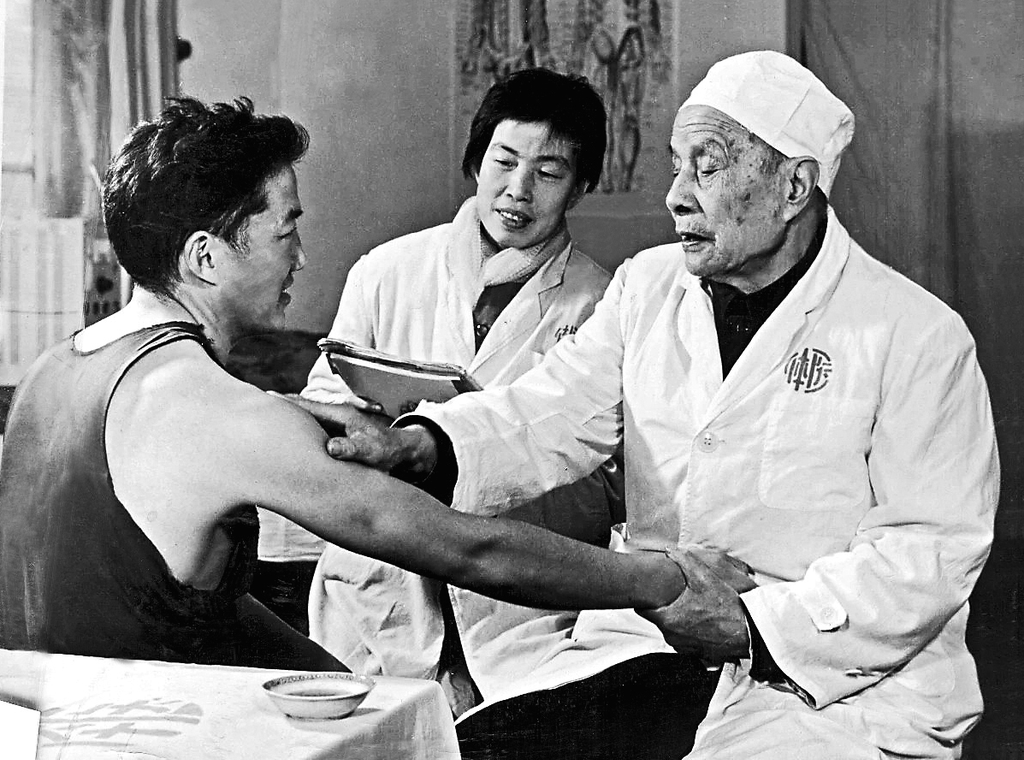
Professor Zheng not only had extraordinary skills in diagnosing and treating bone injuries and sports trauma but also embodied noble medical ethics, practicing medicine with integrity, serving as a role model, selflessly dedicating himself, and wholeheartedly serving the people. His benevolence and medical expertise truly lived up to the ideals of “Great physicians embody both skill and virtue” and “the spirit of a true master.” His exceptional medical skills and noble ethics remain deeply etched in the hearts of his students.
Professor Zheng placed great emphasis on the inheritance of noble martial ethics and medical spirit. Deeply influenced by his teachers Li Aoqing (李洱庆), Wei Changyi (魏昌义), Wei Jinshan (魏金山), and Sun Lutang (孙禄堂) and his senior martial brother Zhu Guofu (朱国福), as well as the legendary martial master Tong Zhongyi (佟忠义), known as the “God of Wresting/Shuaijiao”. Professor Zheng integrated the noble spirit of martial ethics: patriotism, selflessness, aiding the poor, compassion for patients, and serving the people, with his rich experience in martial medicine.
Over his lifetime, he associated with many of China’s most famous martial artists. With his intelligence, humility, and openness to learning from others, he gradually developed his own unique diagnostic and treatment methods, theories, and cultural essence of martial medicine.
A Life of Service and Sacrifice
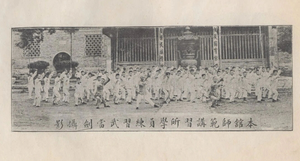
In August 1936, Professor Zheng was selected as a member of the Chinese Martial Arts Performance Team to participate in the 11th Berlin Olympic Games, where his martial arts stunned Germany. As one of the earliest Chinese martial artists and TCM experts to go abroad and represent the country, he took great pride in bringing honor to China. From 1937 to 1949, the founding of the People’s Republic of China, for a full 14 years, Professor Zheng taught martial arts and treated injuries at the Central Military Academy of the Kuomintang (Whampoa Military Academy). His patriotism and sense of justice led him to stay in New China instead of following Chiang Kai-shek to Taiwan, where he continued to serve the people and made significant contributions to China’s sports and health care.
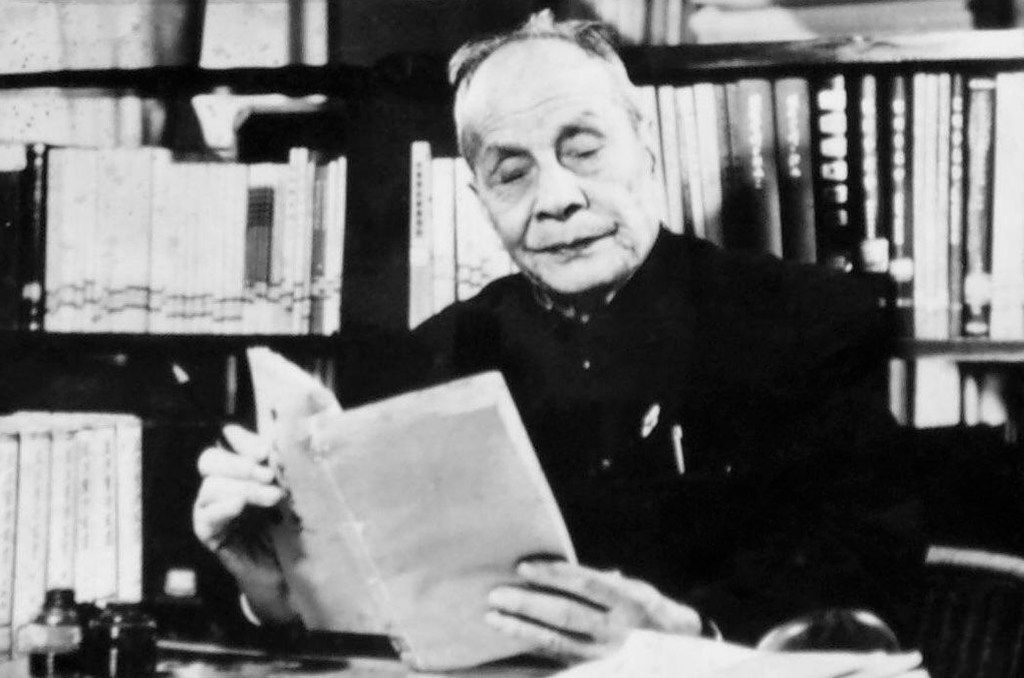
After the formation of the new China he moved to Sichuan where in 1949 was a member of the China Wushu Association and Teacher of the Chengdu Sports Academy, which also included other experts such as Wang Shutian (王树田) in its faculty. It is in Chengdu where he had a great impact, M. Zheng developed numerous classical routines and his curriculum became the basis of the education of would be masters that had passed through the Sports Academy/Institutions at the time. He was a very open and caring teacher who passed both the martial arts and medical treatment to many students.
In 1957, Professor Zheng officially joined the Communist Party of China, embarking on a new path in his life. On this path of serving the people, he selflessly dedicated his secret prescriptions for treating injuries, unique techniques, and long-term experience to the country and the people, actively establishing schools and serving the people. This was no small feat for a renowned expert and doctor, showcasing his noble character and medical ethics.
On October 1, 1958, under the careful guidance of Marshal He Long, the first sports hospital in China was established at the Chengdu Institute of Physical Education, and the Department of Sports Health (later known as Sports Medicine) was founded. Professor Zheng made significant contributions to China’s sports and health care, including organizing two national bone injury training classes and training medical personnel for the Sichuan Armed Police Corps and the Southwest Railway Corps. His achievements were indispensable.
Noble Medical Ethics and Compassion
Professor Zheng not only treated injuries for many Party and state leaders, as well as leaders from the Southwest Bureau and provincial and municipal levels, earning their high recognition and praise, but also treated many celebrities from the sports and cultural circles, who also highly recognized and praised him. In treating athletes and ordinary people, Professor Zheng treated everyone equally, regardless of their status or wealth, and practiced medicine with integrity. His noble medical ethics and benevolence were widely recognized and praised by patients.
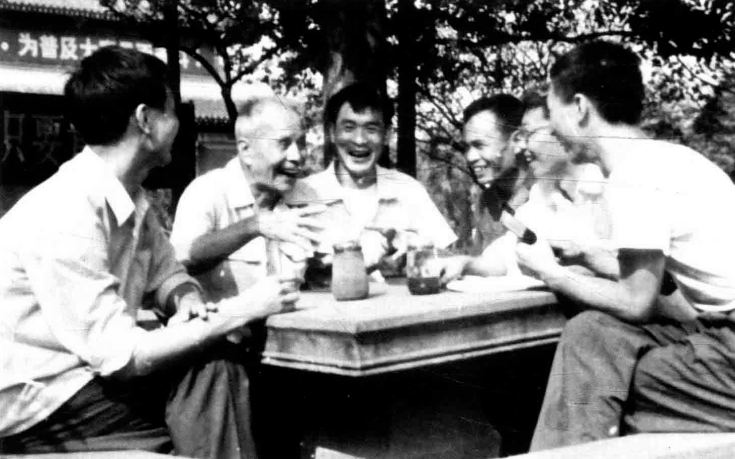
A great physician is not only skilled but, more importantly, virtuous. As Yang Quan from the Jin Dynasty stated in The Theory of Things (Wu Li Lun 《物理论》): “A physician cannot be trusted without benevolence and love, cannot be employed without intelligence and understanding, and cannot be believed without integrity and goodness.”
Sun Si Miao from the Tang Dynasty emphasized in Bei Ji Qian Jin Yao Fang·Da Yi Jing Cheng (《备急千金方·大医精诚》): “A physician must not only have ‘extensive medical knowledge and diligent practice’ but also possess noble medical ethics, a ‘compassionate heart to relieve the suffering of all living beings,’ and treat all patients equally, regardless of their status, wealth, age, appearance, or relationships. A physician must not avoid danger, day or night, cold or heat, hunger or thirst, fatigue or hardship, but must wholeheartedly go to the rescue. They must even risk their own lives to save others in urgent need. Only then can they be considered a great physician for the people.”
Professor Zheng truly practiced the teachings of ancient sages throughout his medical career, setting an example for future generations. This is the greatness of a physician.
Teachings and Legacy
Professor Zheng often taught his disciples: “Only when you treat patients like family can you wholeheartedly serve them.” “As a doctor, you must have a kind heart and compassion to understand the pain of patients, care for them, and relieve their suffering. A doctor who is indifferent to patients’ suffering and does not proactively care for them is not a true doctor.” “Gain experience from patients, not experiment on them!” These words reflect Professor Zheng’s philosophy of life and medicine.
A disciple recalled that once, Professor Zheng asked, “Do you young doctors know what the greatest happiness for a doctor is?” The disciples struggled to answer in one sentence. Professor Zheng wanted them to ponder this question in their future medical practice.
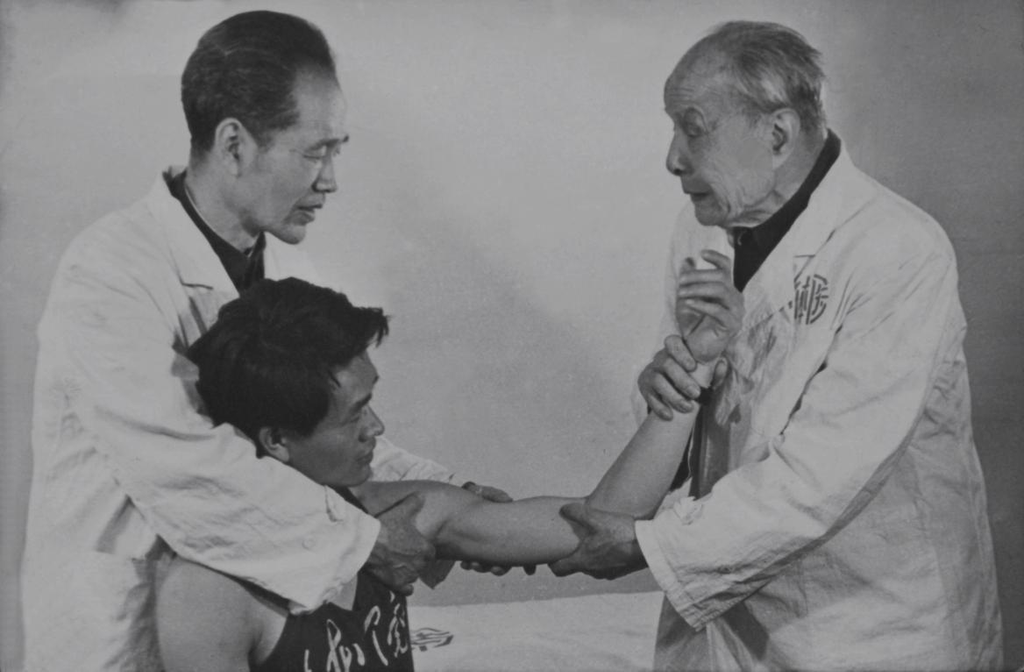
In 1979, during the Fourth National Games in Beijing, Professor Zheng, despite his illness, went to Beijing to watch the competitions. One day, in front of the National Sports Commission’s reception building, a patient with a leg injury, supported by crutches, sat across the street. Professor Zheng asked his student, “Rui Hua, do you see that patient? Have you asked about his injury?” The student replied, “No.” Professor Zheng was displeased and said, “As a doctor, if you don’t immediately inquire about a patient’s condition, how can you call yourself a doctor?” He added, “Only those who feel the pain of others as their own can choose the medical profession.”
The student immediately went to inquire about the patient’s condition and learned that he was an athlete with an ankle sprain combined with a fibula fracture. The fibula had healed, but he still couldn’t bear weight on his foot and had to use crutches. Professor Zheng had the patient brought over and examined him personally. While checking the patient, he explained to his student: “An ankle sprain combined with a fibula fracture is often associated with disorder or subluxation of the tibiofibular joint. If only the fracture is considered and treated, and the normal function of the ankle joint is ignored, then even after the fracture heals, the foot cannot bear weight, indicating that the tibiofibular joint is still disordered.”
As Professor Zheng treated the patient with manual therapy, he also conversed with him and then had the patient try walking. The patient immediately felt much better. Professor Zheng asked the patient to throw away the crutches and take a few steps. The patient was initially hesitant but managed to walk cautiously. Everyone present was not only amazed by Professor Zheng’s exceptional medical skills but also deeply respected his noble medical ethics, which treated the patient’s suffering as his own. When the patient learned that the doctor treating him was a renowned national expert in bone injuries, he held Professor Zheng’s hand tightly, repeatedly expressing his gratitude. Professor Zheng said, “No need to thank me! Whenever I see a patient’s injury that I cannot cure, I feel great pain. Being able to cure a patient’s injury and relieve their suffering is the greatest happiness for a doctor.”
This is a moving story that exemplifies the spirit of a great physician.
Refusing Gifts, Serving All, the Legacy of Martial Medicine
The disciples also recalled that once, a patient brought gifts to Professor Zheng’s home. Before the patient could speak, Professor Zheng asked him to take the gifts out immediately, which left the patient very embarrassed. Professor Zheng sternly told the patient: “It’s not that I intentionally want to embarrass you, but you underestimate me! You break my rules and damage my reputation. Do you think I treat patients just for gifts?” After the patient sincerely apologised, he took the gifts back. Everyone who knew Professor Zheng only sought his help without bringing gifts.
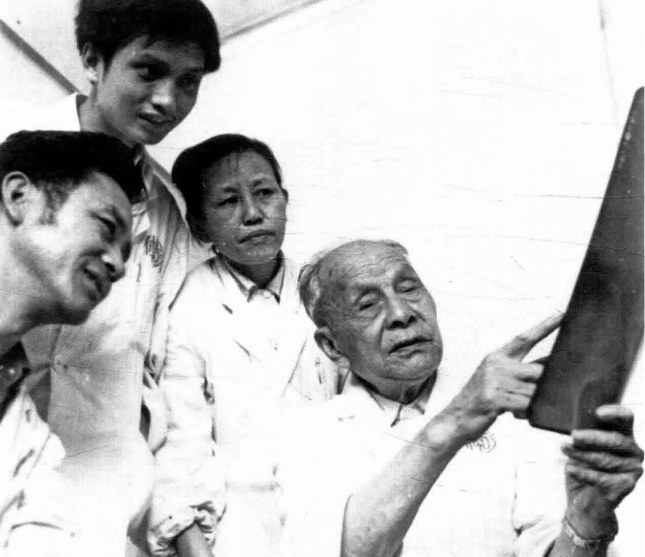
He often said to students: “If you want to remember me, come visit often. Don’t bring things. To make me happy, cure a few more patients, it’s better than any gift.” Professor Zheng often educated his students: “Money and gifts corrupt the soul and harm medical ethics. This kind of practice must not be allowed. If a doctor refuses to treat patients without gifts, how can the poor or those in financial difficulty seek medical help?”
Professor Zheng set an example with his integrity, refusing gifts while also often treating patients who couldn’t afford medical fees or paying their medical fees for them. He said: “In a doctor’s eyes, there is only the distinction between the severity of the illness, not the distinction between the rich and the poor. Whether they are workers, farmers, leaders, or ordinary people, they must all be treated equally and with care.”
His noble medical ethics were widely praised. Professor Zheng’s lifelong dedication to serving the people and his noble medical ethics set an example and model for us disciples to forever learn from! His virtue and skill were outstanding, and his life was a continuous struggle. He truly deserved to be called a great physician.
While many people knew of Zheng Huai Xian’s extraordinary martial skills, few were aware that he was also the pioneer of Chinese martial medicine and modern sports rehabilitation. He integrated the principles of traditional martial arts with TCM bone-setting and trauma massage techniques, establishing a complete system of martial medicine. He specialized in treating various types of trauma injuries and sports joint fatigue, laying the early theoretical and practical foundation for sports injury diagnosis and treatment in China. The legacy continues.
Appendix 1: The Encounter with He Long
In the early summer of 1950, the May Fourth Youth Games were held at the Datianwan Stadium in Chongqing. He Long (贺龙), Commander of the Southwest Military Region, attended the football match with great enthusiasm. During the game, a player from the Air Force ground crew suddenly got injured and fell to the ground. A bearded elderly man quickly approached the injured player, crouched down, and began massaging his injury. In no time, the player stood up, jumped a few times, and returned to the field to continue the match.
He Long was amazed by this scene. That noon, he arranged for the elderly man to dine with him. Zheng Huai Xian (郑怀贤) felt somewhat awkward during his first meal with He Long. To break the ice, He Long joked, “This is a youth football match. How come an old man like you is participating?” Zheng Huai Xian replied, “General He, you’re not exactly young either!” He Long burst into laughter, and the tension was instantly dispelled.
This was how He Long came to know Zheng Huai Xian and learned of his exceptional medical skills in orthopedics. He Long encouraged Zheng Huai Xian: “Sports will develop greatly in the future. Your medical skills are excellent and precious. You should train more talent!”
Zheng Huai Xian treated injuries with a focus on restoring function, emphasizing the treatment of tendons and muscles. He integrated the strengths of various schools of thought and summarized his own methods, including the Zheng Family’s 12 Orthopedic Methods (郑氏正骨十二法), Zheng Family’s 13 Trauma Massage Techniques (郑氏伤科按摩十三法), and the Eight Acupressure Techniques for Meridians and Points (经穴按摩八手法). He also created several effective medicinal formulas, such as “No. 1 New Injury Medicine” (一号新伤药), “Comfortable Liquor” (舒活酒), “Iron Pellet Pills” (铁弹丸), “San Qi Powder” (三七散), “Anti-Bone Hyperplasia Pills” (抗骨质增生丸), and “No. 1 Joint Mobility Plaster” (一号活络膏). These remedies provided relief to countless patients.
On one occasion, He Long injured his right thumb and specifically requested Zheng Huai Xian’s treatment. Zheng performed massage therapy and applied medicine, and by the next day, He Long’s thumb had healed. Later, after He Long was transferred to Beijing, he frequently praised Zheng Huai Xian’s remarkable medical skills. He even introduced central leaders such as Dong Bi Wu (董必武), Xu Te Li (徐特立), and Li Xian Nian (李先念) to seek treatment from Zheng in Chengdu, all with excellent results.
In 1952, He Long concurrently served as the director of the State Sports Commission. Recognizing Zheng Huai Xian’s extensive clinical experience in orthopedics and trauma, under He Long’s direct care and support, Zheng established China’s first sports hospital, the Affiliated Hospital of Chengdu Institute of Physical Education, in 1958 and served as its president. Later, he also founded the first Department of Sports Health in China at the Chengdu Institute of Physical Education and served as its director. While continuing to treat patients, Zheng also organized efforts to excavate and study traditional Chinese medical heritage, researching TCM trauma theories and experiences, and compiling historical literature. Through his and his colleagues’ joint efforts, the book Diagnosis and Treatment of Traumatic Injuries (Shang Ke Zhen Liao 《伤科诊疗》) was published in 1962, marking a milestone in the development of Chinese orthopedics and traumatology, further promoting and advancing the field.
Appendix 2: Treating Premier Zhou Enlai’s Hand Injury
In the early 1960s, Premier Zhou Enlai (周恩来) embarked on a diplomatic tour of ten African countries, accompanied by Foreign Minister Chen Yi (陈毅). During a visit to a farm in Ethiopia, Premier Zhou slipped on a rainy day and fell, injuring his right hand. This was particularly concerning because his right hand had previously been injured during his time in Yan’an. The renewed injury caused severe pain, making it difficult for him to sleep. Furthermore, Premier Zhou was scheduled to lead a delegation to Myanmar and Pakistan immediately after returning to China. If his hand injury was not treated promptly, it would have disrupted the itinerary.
Upon returning to China, Premier Zhou went to the 301 Hospital of the PLA for an examination. After a consultation, the specialists concluded that while there was no fracture, the soft tissue injury was severe. They estimated that, based on the traditional saying “A tendon or bone injury takes 100 days to heal,” the treatment period would be at least two months. The Premier was deeply concerned and called He Long for help. He Long recommended Zheng Huai Xian.
Premier Zhou agreed and decided to travel to Chengdu to seek treatment from Zheng. When Zheng heard that a central leader was coming for treatment, he was surprised to find out it was Premier Zhou himself. Overjoyed, Premier Zhou immediately shook hands with Zheng and invited him to sit. Before Premier Zhou could explain his injury, Zheng spoke first: “Your hand injury has not affected the bones, but the soft tissue damage is severe, and it hasn’t received timely and effective treatment, which is why you’re experiencing swelling and pain.”
Premier Zhou was taken aback. “How do you know that?” he asked. Zheng replied, “I could feel it when we shook hands just now.” Zheng then performed massage and manipulation on Premier Zhou’s injured hand and applied herbal medicine. After the treatment, Premier Zhou turned to his wife, Deng Ying Chao (邓颖超), and said in amazement, “Ah! After Master Zheng’s treatment, the pain has already lessened significantly. This is truly remarkable!” That night, Premier Zhou’s hand pain was much reduced, and he was able to sleep peacefully. Over the next few days, Zheng treated Premier Zhou a total of six times, and his hand injury quickly healed. Premier Zhou was able to embark on his scheduled visits to Myanmar and Pakistan as planned.
Later, when Mao Zedong heard about this, he specifically commended Zheng Huai Xian, joyfully stating: “China indeed has many excellent and unique skills that foreign countries do not possess. We should explore and develop them to benefit all mankind.”