Introduction
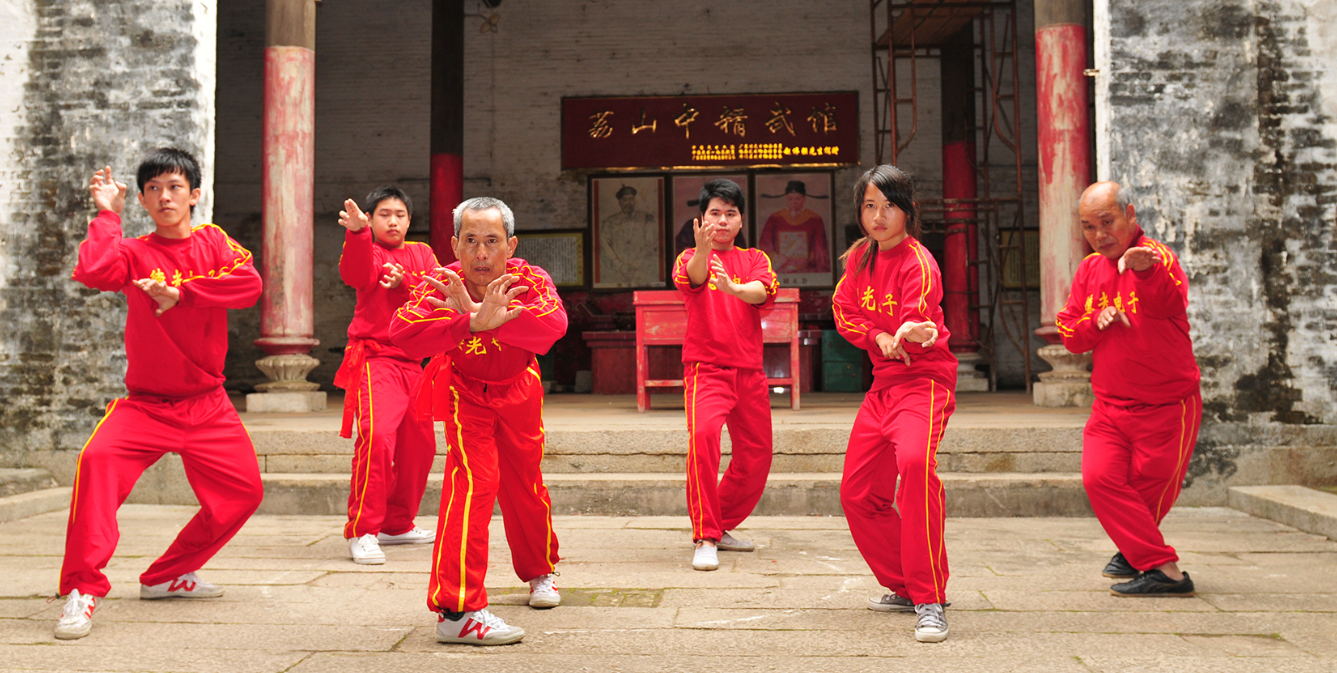
Lishan Fo Jia Quan (荔山佛家拳), or “Lishan Buddhist Fist,” is a traditional Chinese martial art renowned for its practical combat focus, rigorous foundational training, and seamless integration of internal and external strength. Originating from Taiping Tianguo (太平天国), this martial art emphasizes stable stances, agile footwork, and precise hand techniques, making it both effective and visually compelling. Unlike more ornamental styles, Lishan Fo Jia Quan avoids flashy, impractical movements, instead prioritizing efficiency, adaptability, and real-world applicability.
Legend:
Over a century ago, during the Qing Dynasty, the imperial government was battling against rebels linked to the Taiping Rebellion, whom often would reside as monks in temples. In a brutal crackdown, thousands of Qing soldiers raided and burned some temples to the ground, killing countless monks. Among the survivors were Master Yijia Hai (益加海), a formidable warrior-monk, and his disciple, Li Huabao (李华保), rumored to be the son of Taiping leader Li Xiucheng.
To evade capture, the master and his student disguised themselves as travelling performers and fled southward. In 1863, they arrived in the remote villages of Lihua (荔华), now part of Qianwu Town in Doumen District, Zhuhai. The area’s secluded location and hospitable locals provided a safe haven, allowing them to settle and begin teaching martial arts under the guise of a local militia (“团练”) to defend against bandits.
The Birth of Lishan Fo Jia Quan
The villagers, known for their martial traditions and warm hospitality, welcomed the two fugitives. Master Yijia Hai and Li Huabao established “Ying He Shan Fang” (鹰鹤山房), a martial arts school where they taught their unique blend of martial arts. Over time, the style evolved into what is now known as Lishan Fo Jia Quan, and the school was later renamed “Lishan Zhong Jing Wu Guan” (荔山中精武馆).
This martial art has since flourished for over 142 years, with its lineage now in its seventh generation.
Geographical and Cultural Context
Doumen District: A Land of Rich Heritage
Qianwu Town, where Lishan Village is located, is the largest town in Zhuhai by area, covering 190.6 square kilometers. It is a renowned hometown for overseas Chinese, with a population of over 50,000 registered residents and 28,000 migrant workers. The town is also home to 30,000 overseas Chinese, making it a cultural melting pot.
A Thriving Community
Qianwu Town boasts modern infrastructure, with major roads like Zhufeng Avenue and Zhu Gang Avenue traversing the area. Its proximity to Zhuhai Port and Zhuhai Airport, along with the upcoming Guangzhou-Zhuhai Railway, positions it as a key player in Zhuhai’s “Industrial Westward Expansion and Urban Westward Development” strategy.
The town’s scenic landscapes, abundant water resources, and fertile farmland make it ideal for agriculture. It is famous for its “Doumen Green Crabs” and “Zhongyi Crabs”, while its ecotourism projects continue to attract visitors.
The Essence of Lishan Fo Jia Quan
Core Principles
Lishan Fo Jia Quan is distinguished by its:
Emphasis on practical combat: Every movement is designed for real-world effectiveness.
Strong foundational training: Practitioners are taught that “one must stand in the horse stance for three years before learning the fist.”
Integration of internal and external strength: The style balances hard, explosive power with soft, fluid techniques to cultivate both physical and internal energy (qi).
Unique stances and techniques: Key footwork includes the Monkey Horse Stance (猴马步), with outward-facing bow stances and open knees. Hand techniques feature standard punches (标手), horizontal elbows (横肘), crane claws (鹤爪), and Yin-Yang palms (阴阳掌).
Forms and Routines
Lishan Fo Jia Quan is divided into barehand forms (拳术) and weapon forms (器械).
Barehand Forms
Five Animal Forms (五形拳) – Eagle, Crane, Monkey, Tiger, Dragon
Buddha’s Robe Fist (佛衣拳)
Flying Eagle Fist (飞鹤拳)
Two-Character Fist (二字拳)
Cross Fist (十字拳)
Lion’s Gate Fist (狮门头拳)
Cooperative Heart Fist (协心拳)
Small Practice Fist (小练拳)
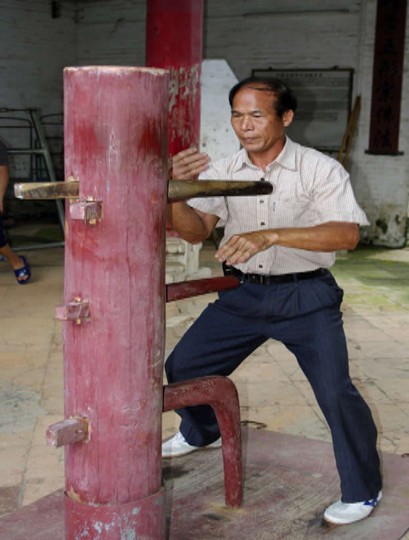
Shaolin Wooden Dummy 108 Techniques (少林木人桩108式)
Weapon Forms
Six-and-a-Half Staff (六点半棍)
Eighteen Crutch Staff (十八拐棍)
Five Animal Crutch Staff (五形拐棍)
Two-Character Crutch Staff (二字拐棍)
Double-Ended Staff (双头棍)
Cooperative Heart Staff (协心棍)
Double Daggers (双刀)
Single Dagger (单刀)
Lion’s Gate Dagger (狮门刀)
Lion Dance Traditions
Lishan Fo Jia Quan also preserves traditional lion dance routines, including:
Lion Dance: Cliffside Herb Picking (醒狮悬崖采灵芝)
Lion Dance: Leaping Dragon Gate (醒狮跃龙门)
Seven Stars Accompanying the Moon (七星伴月)
Small Lion Crossing the Mountain Stream (小狮过山溪)
Lion Dance: Picking Ground Green (醒狮采地青)
Philosophy and Values
Lishan Fo Jia Quan is deeply influenced by Buddhist philosophy, emphasizing moral cultivation alongside physical training. Its core tenets include:
“Strengthen the body, protect the family, serve the nation.”
Respect for others: Practitioners are taught to prioritize humility, avoid arrogance, and never use their skills for harm.
Unity and mutual support: The martial art fosters a sense of community and discipline.
Thanks to these values, Lishan Fo Jia Quan has produced generations of skilled and virtuous martial artists, such as Huang Qi Yun (黄其云), Huang Feng Ju (黄风举), Huang San Duo (黄三多), and Huang Xu Fang (黄旭芳). In recent years, the school has actively participated in regional and national martial arts competitions, earning numerous awards in both Kung Fu and lion dance categories.
Legacy and Recognition
In June 2010, Lishan Fo Jia Quan was officially listed as part of Zhuhai’s Third Batch of Intangible Cultural Heritage, cementing its status as a living treasure of Chinese martial arts.
Lineage of Masters
The art has been passed down through seven generations:
Master Yijia Hai (益加海大师)
First Generation: Huang Qi Yun (黄其云), Huang Chan Yun (黄禅云)
Second Generation: Huang Feng Ju (黄风举)
Third Generation: Huang San Duo (黄三多)
Fourth Generation: Huang Duo Xian (黄多献), Huang Wen Cai (黄文才)
Fifth Generation: Huang Shu Cai (黄淑才), Huang Yu Jiu (黄郁就)
Sixth Generation: Huang Lai Wang (黄来旺), Huang Bu Yun (黄步云), Huang En Rong (黄恩浓)
Seventh Generation: Huang Meng Chao (黄孟超), Huang Jian Hao (黄建浩)
Current Inheritors:
Huang Bu Yun (黄步云, b. 1948) – A dedicated coach who has trained countless students and worked tirelessly to preserve the art.
Huang En Rong (黄恩浓, b. 1948) – Collaborated with Huang Bu Yun to ensure the continuous transmission of Lishan Fo Jia Quan.
Appendix:
飞鹰拳: 上右猴马封掌、鹰马双推掌、鹰马十字掌、云手敬礼、退步敬礼、并步封掌、云手抱拳、右搭左推掌、左搭右推掌、右搭左推掌、一标手、二弹脚、回猴马疏手、上马云手双切掌、右搭左封、左搭右封、右搭左封、左挖右撑掌、转猴马、左挖右撑、转左鹰、猴马收掌、猴马破虎、鹰马后撞拳、鹰马后肘、二字马双勾拳、右搭左封掌、左搭右封掌、右搭左封掌、转左猴马、左挖右撑掌、转左鹰、上右脚右鹰、上左封门肩、上左封门肩、退步三拉手、捧龙、左手一批、右手一掌、收势。
四门头拳: 敬礼、向右二字马左搭右沉底一榨、右二字马右搭左冲拳、提右膝右手向下批、右二字马右冲拳、左上脱手右冲拳、左下脱手右冲拳、左搭右拉手、右破排手、上左四平马转左二字马双更拳、右挖左鹰拳、上右二字马左挖右撑掌、右二字马右挖左撑掌、右二字马左搭右拉手、右二字马双撞拳、上四平马双压掌、转右二字马双撞拳、猴马左挖右单更、上右四平马双冲睁、上右二字马右搭左疏手、右二字马左搭右疏手、左扭马左单更手、上左二字马左披手、提右膝右搭左搭脱手、右冲拳、左下脱手右冲拳、左下脱手右冲拳、四平马双伏掌、左转左搭跳起四平马合掌、四平马右冲拳、上右马右搭右扭马冲拳、左冲拳、左上步左挖右单更、上四平马右顶睁、转右虎马右挂拳、左转上右马右封门肩、左转上左马左封门肩、跳四平马左夹头右打拳、上右马右破排手、半捧龙、左搭手右阴掌、敬礼。
佛衣拳: 敬礼、封掌、开三度四平马、封掌、双冲拳、运手收拳、向右二字马左鹤绑、左搭打、左运手、左插掌、左冲拳、向左二字马右鹤绑、右搭打、右运手、右插掌、右冲拳、运手收拳、向左二字马双挖打、向右二字马双挖打、回四平马双挖打、双撞拳、双封掌、运手收拳、向左二字马左搭右标掌、向右二字马右搭左标掌、向左破排手、向右破排手、回四平马右标更手、运手收拳、左单更、左手刹、左搭左下一阴掌、运手左阳掌、右单更、右手刹、右搭右下一阴掌、运手右阴掌、运手收拳、双标掌、双手刹开一字之势、合手一标、两手伏虎、向上双冲拳、两手伏虎、向上双冲拳、两手伏虎、左搭右阴掌、右搭左一拳、向右猴马折手、上左马左搭手右起鹤、回四平马左手标更、向左猴马折手、上右马右搭手左起鹤、回四平马右手标更、左二字马双夹手、二批手、右二字马双夹手、二批手、左搭右拉手、上右马右封门肩、上左马左封门肩、上右马右封门肩、退右马右标更手、退左马左标更手、回四平马右标更手、左鹤绑沉底一窄手、右鹤绑沉底一窄手、双举手、左挖右杀肘、右搭左阴掌、左挖右阴掌、挖左阳掌、右标更手、右移左标更手、二拉手封掌、上马右搭、上马左搭、右阴掌、退左马右疏手、退右马左疏手、回四平马右疏手、右标更手、合掌。
佛拳: 敬礼、封掌、运手收拳、跳四平马两手对插掌、正面右左手标掌、向左二字马左搭右梳手、向右二字马右搭左梳手、提右脚右手向下批、右猴马拆手、上左马拉手拉手封掌(二次)、跳回四平马向左二字马左搭右梳手、向右二字马右搭左梳手、提左脚左手向下批、左猴马拆手、上右马拉手封掌(二次)、跳回四平马向右二字马右搭左梳手、向左二字马左搭右梳手、右猴马拆手、提左脚双闸手、上四平马双拉肘、双标掌、右转身右搭左阴掌、左搭右冲拳、左猴马折手、提右脚双闸手、上四平马双拉肘、双标掌、左转身左搭右阴掌、右搭打左冲拳、上左马双封掌、跳换右虎马双撑掌、左搭右拉手、右双撞拳、双挖打、退右马右搭左梳手、退四平马左搭手右梳手、上右马封门肩、上左马封门肩、上右有马封门肩、退右马右标更手、退左马左标更手、下四平马右标更手、合掌。
五形拳: 敬礼、正面右手鹰、左鹰、右鹰、正面左手鹰、上马右手鹤、左鹤、右鹤、正面左鹤、右猴、左猴、左猴、正面猴、正面撑虎、右破虎、正面拉手、起鹤、捧龙、龙马、收礼。
二字拐棍: 立正抱棍、猴马架掌、吊马砍掌、退三步抓棍、上三步二字马挑棍、扭马右猴棍、上右二字马劈棍、上左二字马劈棍、回猴马棍、舞花棍、左虎马格棍、右龙马拨棍、转左龙马拨棍、上步舞花棍、右龙马拨棍、左龙马拨棍、右龙马拨棍、左龙马拨棍、舞花棍、右虎马搭棍、上左二字马劈棍、上右二字马枪棍、舞花棍、上右二字马枪眼、右龙马拨棍、转左龙马拨棍、右虎马钓鱼棍、退步左二字马劈棍、左虎马格棍、右虎马格棍、舞花棍、收势。

![Read more about the article Yanqing Quan – Yanqing Jiazi [燕青门 – 燕青架子]](https://taipinginstitute.com/wp-content/uploads/2021/08/fegvdfbdfvdfv-300x169.jpg)